markforged – Resources
Markforged – Resources
Markforged Portal: Complete 3D Printer & Material Guide
In the rapidly evolving landscape of American manufacturing, the integration of advanced engineering software and additive manufacturing hardware has become a cornerstone of operational efficiency. Organizations across the aerospace and automotive sectors increasingly rely on a solidworks reseller to bridge the gap between digital design and physical production. As a leading provider of these integrated systems, GSC 3D specializes in delivering Markforged additive manufacturing solutions that empower engineers to create high-strength, industrial-grade parts. By combining robust SOLIDWORKS PDM workflows with cutting-edge 3D printing, manufacturers can streamline their prototyping and end-use part production processes, ensuring that every design iteration translates effectively into a functional, tangible asset on the factory floor.
Discovering Markforged Additive Manufacturing Solutions
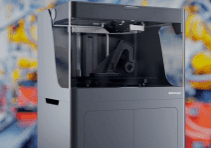
The Markforged ecosystem represents a significant leap forward in carbon fiber and metal 3D printing technology. Unlike traditional desktop printers, markforged 3d printers are engineered specifically for the rigors of the manufacturing environment. This brand has distinguished itself through the “Digital Forge” platform, which synchronizes hardware, software, and materials to produce parts that often replace machined aluminum. For companies working with a specialized SOLIDWORKS reseller, the synergy between CAD data and printer output is critical. These systems utilize Continuous Fiber Reinforcement (CFR) to embed strands of fiberglass, Kevlar, or carbon fiber into a thermoplastic base, resulting in components with exceptional strength-to-weight ratios.
Selecting the right equipment requires an understanding of mechanical capabilities and investment scales. When analyzing Markforged pricing options, it is helpful to consider the long-term value of industrial reliability versus initial capital expenditure. From the compact Onyx Series to the large-format X7, each machine is designed to meet specific tolerance and material requirements. Comparing key features often reveals that the true value lies in the Eiger software, which automates the slicing process and optimizes fiber paths, ensuring that the engineering intent of the SOLIDWORKS model is preserved perfectly in the final printed part.
Professional Maintenance and Troubleshooting Strategies
Maintaining peak performance in additive manufacturing requires a proactive approach to hardware care and environmental control. Manufacturers often ask how to troubleshoot common print issues on markforged printers to prevent downtime. Most challenges stem from mechanical calibration or material contamination. For instance, if a print exhibits poor surface finish or layer delamination, it is often necessary to check the level of the print bed or the condition of the nozzles. Regular maintenance, such as cleaning the extruders and checking belt tension, ensures that the printer remains within its tight industrial specifications.
A frequent inquiry among technicians is what causes my print to fail on markforged systems. While the hardware is exceptionally reliable, environmental factors play a significant role. Power fluctuations, improper build plate adhesion, or incorrect slicer settings in Eiger can lead to failures. Furthermore, the use of specialized markforged materials requires strict adherence to storage protocols. If the printer’s sensors detect a jam or a material run-out, the system will pause, but understanding the root cause–such as a Tangled spool or a worn-out PTFE tube–is essential for long-term operational success.
Advanced Material Handling and Moisture Control
Successful printing is heavily dependent on the condition of the feedstock. A common technical hurdle involves moisture absorption in hygroscopic filaments. Users frequently need to know how to dry wet Onyx or Nylon material for markforged printer setups. These materials are highly sensitive to humidity; even a few hours of exposure can lead to “popping” at the nozzle, stringing, or reduced structural integrity. To remedy this, materials should be dried using a dedicated oven or a specialized dry box at specific low temperatures for several hours until the moisture content is neutralized.
Scaling Production with the Markforged Metal X
The transition from composite printing to metal fabrication represents a major milestone for many industrial firms. The Metal X system allows for the creation of complex geometries in stainless tool steels and copper that were previously impossible to machine. A vital technical specification involves the build volume for the Markforged Metal X, which stands at 300 mm x 220 mm x 180 mm. This capacity allows for the production of significant industrial components, ranging from custom injection molds to bespoke functional prototypes, all while maintaining the safety and ease of use associated with FFF-style printing.
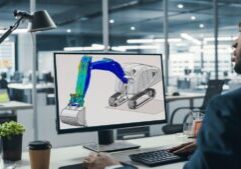
Integrating metal printing into a facility requires more than just the printer; it involves a comprehensive workflow including washing and sintering stations. By utilizing a diverse range of markforged materials, manufacturers can pivot between plastic prototyping and metal production seamlessly. This flexibility is supported by the expertise of a SOLIDWORKS reseller who can assist in managing the digital thread from the initial simulation and fatigue-analysis phase through to the final sintered metal product.
Synergizing Software and Hardware for Manufacturing Excellence
The true power of modern manufacturing lies in the seamless connection between design, data management, and physical output. By leveraging markforged 3d printers within a broader ecosystem that includes SOLIDWORKS PDM and DELMIAWorks ERP, companies can achieve a level of synchronization that was once reserved for the largest global enterprises. Managing markforged assets alongside traditional CNC equipment allows for a hybrid approach where additive manufacturing complements subtractive methods, reducing lead times and material waste.
Ultimately, the goal of integrating these technologies is to foster innovation while maintaining strict quality control. Whether it is through a SOLIDWORKS CAD Manager bootcamp or through on-site technical support, the focus remains on empowering the user to master both the digital and physical tools at their disposal. By understanding the build capacities, material requirements, and troubleshooting protocols of their equipment, manufacturers can ensure that their investment in high-end 3D printing results in a measurable competitive advantage and a robust return on investment.
Understanding these interconnected themes provides a roadmap for manufacturers to modernize their production floors. From the precision of the Markforged Metal X build volume to the necessity of material moisture control, every detail contributes to a successful additive strategy. When backed by a knowledgeable reseller, these tools become more than just machinery; they become the foundation for the next generation of industrial manufacturing excellence.
Additional Resources:


Companies that trust GSC