Connecting Engineering to the Rest of the Business
There’s a larger opportunity that often goes unaddressed in growing manufacturing organizations: engineering doesn’t operate in isolation, yet in many companies, it effectively functions that way. Outputs from design don’t always flow cleanly into manufacturing, ERP, or sales systems. Information is re-entered, interpreted differently across teams, or delayed altogether. Over time, that disconnect creates friction that extends far beyond engineering—it impacts lead times, production accuracy, and ultimately customer experience.
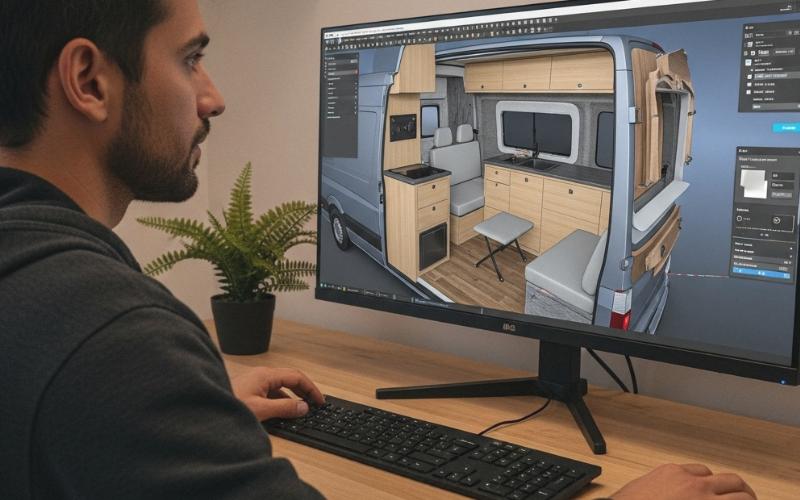
This is where a more connected approach begins to change the trajectory of the business. By aligning engineering data with downstream systems, companies establish a shared source of truth that supports decision-making across departments. Change management becomes visible instead of reactive. Communication becomes clearer because everyone is working from the same information. Execution speeds up not because teams are working harder, but because they’re no longer working against each other.
GSC plays a key role in helping companies build this alignment intentionally. Rather than layering new tools on top of existing gaps, the focus is on structuring how data flows from engineering into the rest of the organization. The result is a system where engineering outputs are immediately usable downstream, eliminating redundancy and reducing the risk of costly errors.
If your team regularly spends time chasing updates, clarifying revisions, or reconciling mismatched data between systems, it’s a strong signal that the issue isn’t effort—it’s architecture. And it’s one that can be solved.
The Difference Between Implementation and Adoption
Even with the right systems in place, many organizations fail to see meaningful results because of one overlooked factor: adoption. It’s not uncommon for companies to invest in powerful tools only to find that teams continue working the way they always have, defaulting to familiar habits instead of new workflows. In those cases, the technology doesn’t fail—the implementation strategy does.

Sustainable change happens when systems are designed around the people using them. That means aligning tools with real roles, simplifying interfaces where possible, and ensuring training is grounded in day-to-day workflows rather than abstract functionality. When teams understand not just how to use a system, but how it makes their work easier, adoption becomes far more natural.
This is a core part of how GSC approaches every engagement. The goal isn’t to introduce more complexity—it’s to remove friction. By tailoring systems to how teams actually operate, companies see faster adoption, stronger internal alignment, and a much clearer path to long-term value.
Because ultimately, the effectiveness of any system is measured by one thing: whether it becomes part of how your team works every day.
What Changed for Highland Vans—and What It Signals
For Highland Vans, the impact of these changes extended beyond improved design efficiency. They established a more scalable way of operating—one that allowed them to handle increasing customization without placing additional strain on engineering. Designs moved faster, data became more reliable, and collaboration improved across the organization.
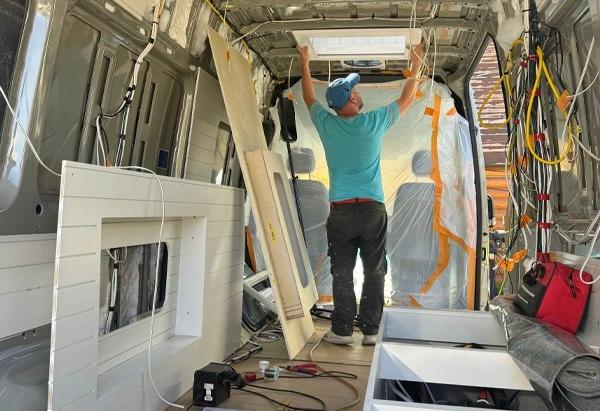
More importantly, they built a foundation that supports continued growth. Instead of reacting to complexity as it arises, they now operate within a system designed to handle it. That shift—from reactive to structured—is what separates companies that plateau from those that continue to scale.
This isn’t unique to Highland Vans. It reflects a broader shift happening across manufacturing. As products become more customized and timelines more compressed, the companies that succeed will be the ones that invest in systems, not just tools.
A More Strategic Way Forward
For many organizations, the instinct when facing growth-related friction is to add more—more tools, more processes, more people. In the short term, that can help absorb the pressure. Over time, it often creates additional complexity that’s harder to manage.
A more effective approach is to step back and evaluate how your current system is structured. Where are inefficiencies coming from? How is data flowing between teams? What processes are being repeated that could be standardized or automated? These are the questions that lead to meaningful, lasting improvements.
GSC works with companies at this stage to identify where those gaps exist and how to address them in a way that supports long-term performance. The goal isn’t incremental improvement—it’s building a system that allows the business to scale with confidence.
If you’re starting to see signs of strain in your current workflows, now is the time to take a closer look. The earlier these challenges are addressed, the easier they are to solve.
Building for What Comes Next
At its core, the Highland Vans story is about more than adopting new technology. It’s about making a deliberate shift toward a more structured, scalable way of working. They didn’t just improve how they design—they improved how their entire operation functions.

That’s the real opportunity for manufacturers today. Not just to keep up with increasing complexity, but to build systems that are designed for it.
If you’re ready to move beyond patching workflows and start building a foundation that supports long-term growth, GSC can help you take that next step. The sooner your system is aligned, the faster everything else begins to move with it.
Share
Meet the Author
view all posts by GSC
SOLIDWORKS Webinars & Power Hours